
International Women’s Day & A New Therapeutic Offering
Honouring Women's History for International Women's Day
By Camille A-C
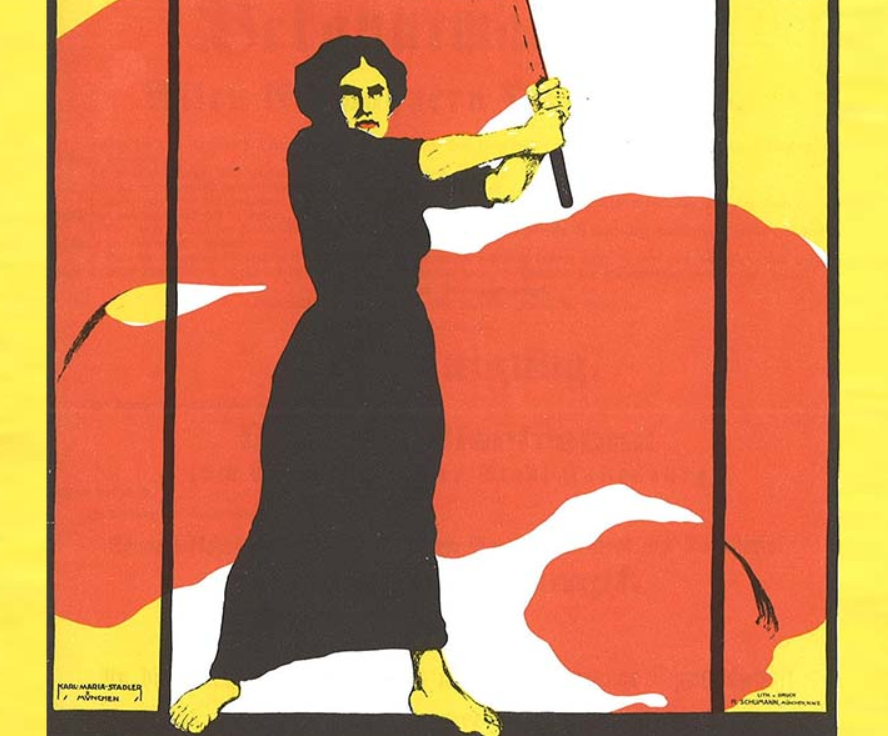
Every year on March 8th, International Women’s Day comes around.
The day came to be what it is now, because of the real working women of the 19th and 20th century. While it’s difficult to pinpoint a singlular moment as the catalyst which set inmotion much of the activitism and advocacy for women that we have today, we can start here:
It was a Sunday afternoon on the 8th of March in 1857. Hundreds of women employed by the garment and textile industry in New York City staged a strike. They marched and picketed, insistent on gaining shorter working hours, better pay, and safer working conditions. Regretfully, the demonstration was reportedly broken up by police, the women were attacked, and they had to disperse.
Despite their unfortunately unfruitful attempt, they had no idea that they set a path for millions of women in the coming century to demand for their basic rights.
Fifty one years later, in 1908, the event inspired 15,000 women in the needle trade from New York, to march under banners demanding their equal right to vote, equal pay, child care during the work day, and more secure conditions. Along the way, they embraced the slogan "Bread and Roses"; bread signifying economic stability, and roses for a better way of life. This came to be known as the start of the Women’s Suffrage movement.
2 years later, during a conference in Copenhagen in 1910, Clara Zetkin proposed the idea of a dedicated international day for women. The simple (yet ballsy aim at the time!), was to create a shared moment in which women could organise, speak out and be seen.
The first International Women’s Day was officially carried out in 1911, with more than a million women and men taking part across several European countries.
By 1977, the day gained official global recognition when the United Nations called for countries around the world to formally acknowledge it.
From the start, International Women’s Day was about visibility, fairness and social change. While it now recognises achievements across many areas of life, it is still rooted in women’s real, lived experiences. Today, we continue to appreciate and recognise both the progress and the gaps that still exist in the health, safety and wellbeing of women worldwide. All that being said… International Women’s Day is not only a celebration of progress, but also a reminder that listening to women’s bodies, circumstances and views is deeply important.
Menstruality in Therapy
By Letticia Banton
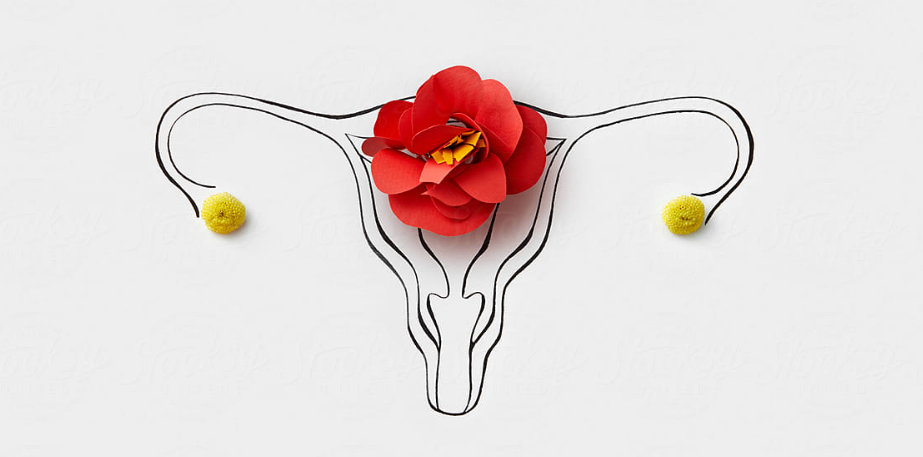
As we mark International Women’s Day, I am reflecting on the many ways women’s experience has been historically overlooked within psychological theory, research and practice. One of the most striking omissions has been menstruality: the embodied, cyclical reality of living in a hormonally dynamic body, and the profound psychological meaning this holds across the lifespan.
Historically, psychotherapy has often treated cyclical change as noise; something to be stabilised, medicated, or ignored. Yet for many women, their cycle or menopausal transition is a central organising feature of emotional life. Bringing menstruality into the therapeutic frame is both clinically necessary in contemporary practice, and I believe, part of the broader project of women’s psychological liberation.
My name is Dr Letticia Banton. I am a Counselling Psychologist (BPS, HCPC registered) and Integrative Psychotherapist (UKCP registered). My specialist area is gender and female wellbeing. My doctoral research focused on menstruality in psychotherapy, and I am passionate supporting women in understanding the emotional, relational and identity dimensions of their cyclical experience. I am excited to join Healing Space, where I offer short-term psychotherapeutic consultations centred on menstruality and menopause.
These consultations provide a collaborative and compassionate space to explore the emotional, physical and relational aspects of hormonal change as meaningful
embodied states that interact with stress, trauma history, work demands, and social context:
I offer psychotherapeutic menstruality consultations to support women who would like to get to know their Self across their cycle better. This can include exploring experiences of cyclical changes, premenstrual distress, shifts in confidence or cognition, shame related to menstruation, or difficulty trusting themselves due to hormonal variability. The work would support cultivation of Menstrual Cycle Awareness, helping women anticipate needs, improve emotional regulation, strengthen bodily autonomy and reduce internalised stigma.
I also offer peri-menopause and menopause consultations, recognising this transition as far more than “just hormonal.” This life stage often intersects with identity, grief, rage, anxiety, sleep disruption, trauma reactivation, libido changes, and experiences of social invisibility or medical minimisation. The work creates space to make psychological sense of these changes, restoring agency and self-trust during a time that can feel destabilising.
If you are, know or work with women who may benefit from a focused psychological and embodied exploration of their menstrual cycle or menopausal transition, I welcome referrals for an initial conversation about how this work might support them.
With warm wishes for International Women’s Day,
Dr Letticia Banton.