
Change: Resisting or Adapting
By Tatiana Ostara
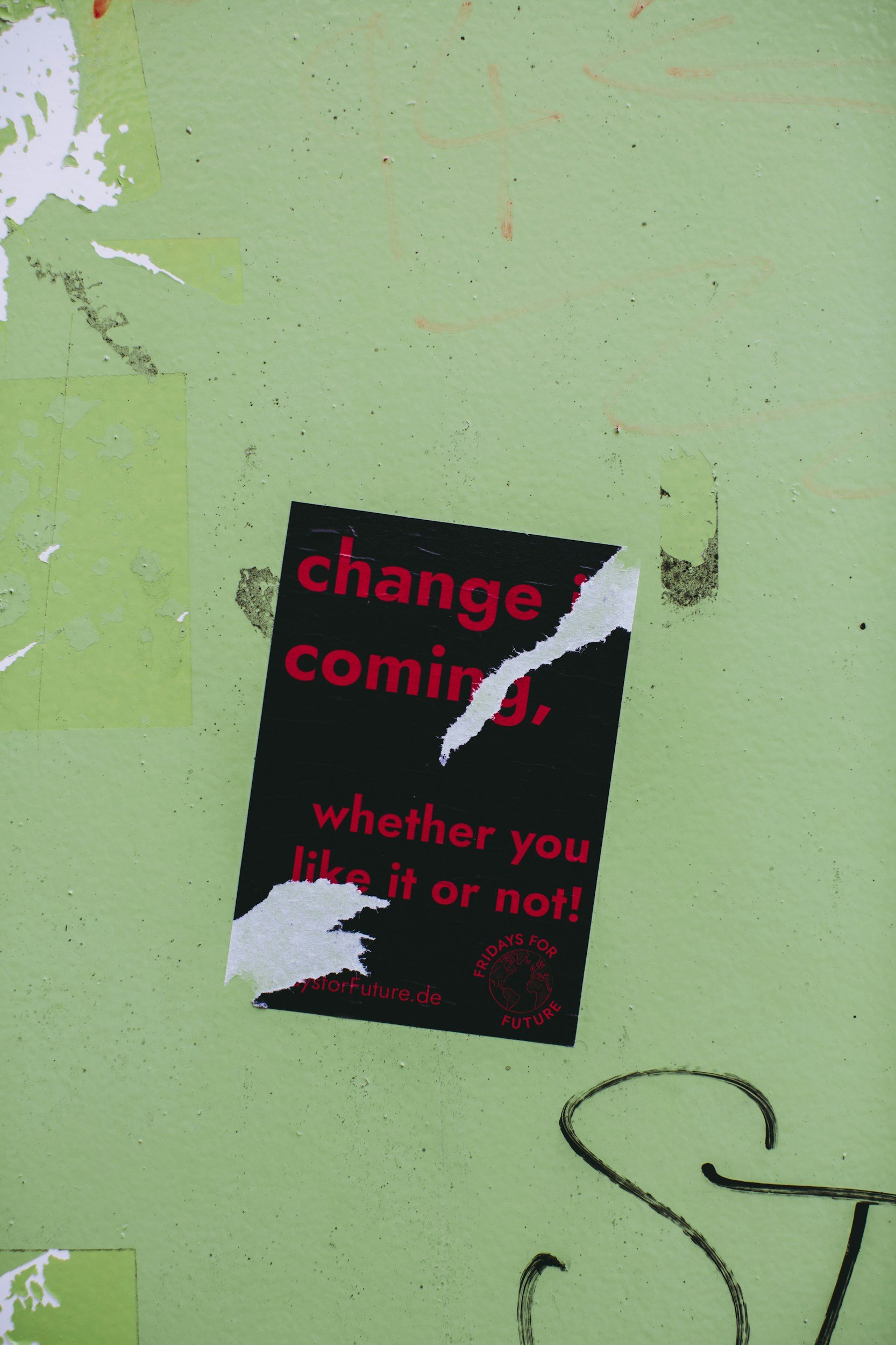
Change is something most of us resist, yet it is also something none of us can avoid.
It can feel disruptive, uncertain, and at times deeply uncomfortable. And yet, it is through change that growth, movement, and new possibilities emerge.
We often begin the year with a surge of motivation. January arrives with pressure to set goals, make plans, and become something new. But this happens in the depth of winter, a season that, in nature, is not designed for action or creation. Winter is a time for rest, yet many of us try to push against this rhythm.
It is perhaps no surprise then that so many people struggle to sustain these early intentions. Research suggests that around 80% of New Year’s resolutions fail by February. Not necessarily because people lack discipline, but because the timing may be out of sync with what we actually need.
Spring offers something different. In nature, this is the season of growth. Seeds are planted. Roots begin to form. What was resting starts to emerge. There is something in this rhythm that we can learn from.
Change becomes more sustainable when it is not forced but supported.
When we allow ourselves periods of rest before expecting expansion.
When we recognise that clarity does not always arrive on demand.
When we work with our energy, rather than against it.
And yet, even when the timing is right, change can still feel challenging.
Most people do fear change. Not because they lack courage, but because the brainand nervous system are wired for safety and familiarity. Even when something feels unfulfilling, staying can feel safer than stepping into the unknown.
Uncertainty activates a protective response in the body. We can move into a kind of survival mode, where the mind becomes busy, overthinking increases, and self-doubt becomes louder.
From this place, clarity is often harder to access. Decision-making can feel overwhelming. We may feel stuck, even when part of us wants something to shift.
So rather than asking ourselves to push through, it can be more helpful to first create the conditions where clarity can emerge. By offering simple yet effective practices:
Slowing the breath and allowing the body to settle.
Stepping outside and reconnecting with natural light and space.
Taking moments to pause, rather than constantly consuming or reacting.
Allowing the body to discharge built-up tension through movement, shaking, or stretching.
These are not dramatic actions, but they begin to signal safety to the nervous system. The mind becomes clearer, the body softens, and the next step feels more accessible.
This year, my mantra is: Growth is in the discomfort
Not in forcing but in learning how to stay present when things feel unfamiliar. In taking small steps, even when the full picture is not yet clear. In allowing change to unfold, rather than forcing it into existence.
With spring upon us, there is an invitation to begin again, gently and set intentions that feel rooted, rather than rushed.
Meaningful change is not about having everything figured out. It is about creating the conditions within yourself that allow growth to happen.