
By Charlotte Tiffany
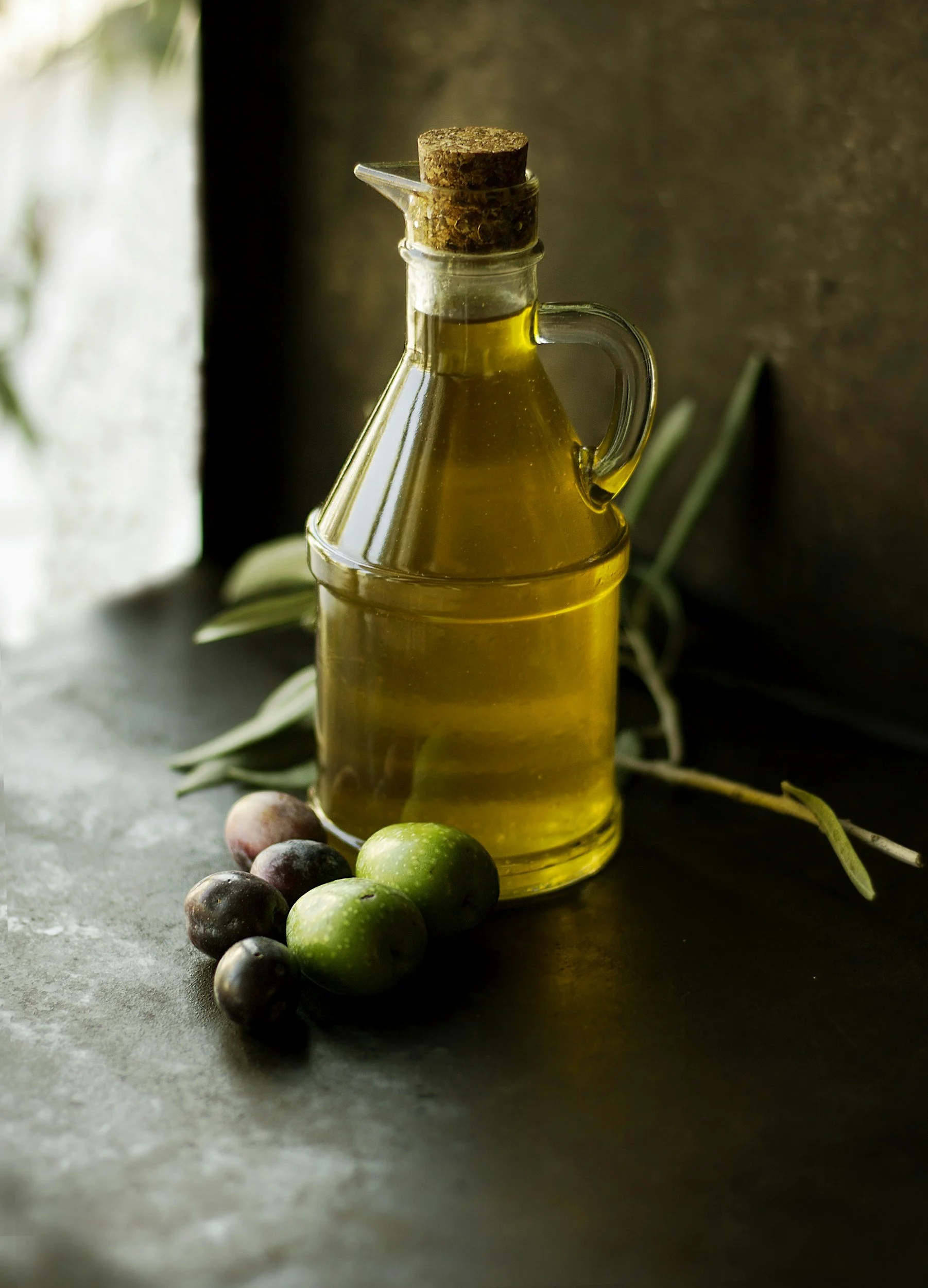
There is a bottle in almost every kitchen that we barely think about. Yet olive oil, little more than the pressed juice of a fruit, has been treasured as food, medicine and even currency for thousands of years. Hippocrates is said to have called it “the great healer”, and in Puglia many people still begin the day with a small cup of warmed oil.
Mid-century researcher Ancel Keys noticed that people in Greece and southern Italy had remarkably little heart disease despite eating plenty of fat. Decades later, a Spanish trial of over 7,000 high-risk people found that a Mediterranean diet enriched with extra virgin olive oil led to around 30% fewer heart attacks, strokes and cardiovascular deaths than a low-fat die
From a functional perspective, what fascinates me most is why it helps. Many chronic concerns I see in clinic, from heart health to joint pain and fatigue, share roots in oxidative stress and inflammation, and extra virgin olive oil speaks directly to both. One of its polyphenols, oleocanthal, catches the back of the throat just like liquid ibuprofen, and blocks the same inflammatory enzymes. That peppery cough you get from a really good oil? That’s the medicine announcing itself. And contrary to popular belief, it is remarkably stable when heated.
In Traditional Chinese Medicine, olive oil is sweet and neutral, gently moistening and nourishing. It helps counter dryness, supports Yin and Blood, and its slightly bitter, peppery edge encourages the smooth flow of bile and Qi.
Quality matters. Polyphenols are destroyed by refining and fade with time, heat and light, so two bottles both labelled “extra virgin” can differ more than tenfold in the compounds that do you good. A tired supermarket bottle may offer far less than the fresh oil used in the landmark trials. To tell the difference:
Smell it. Fresh oil smells green and alive, of cut grass, tomato leaf or green apple.
Taste it. A little bitterness and a peppery tickle in the throat are signs of life.
Check the label. Look for a harvest date, and choose dark glass or tins.
Buy fresh, buy small. Choose what you’ll use within a few months.
Olive oil isn’t a magic bullet. It works best as part of a whole way of living: plenty of vegetables, legumes, fish, nuts and whole foods, alongside good sleep, movement and connection. But it is one of the simplest, most delicious changes you can make.
Every body is different. In my practice, I take time to understand your history, your symptoms and how you’d love to feel, then build a plan around food, lifestyle and targeted support that fits your life.